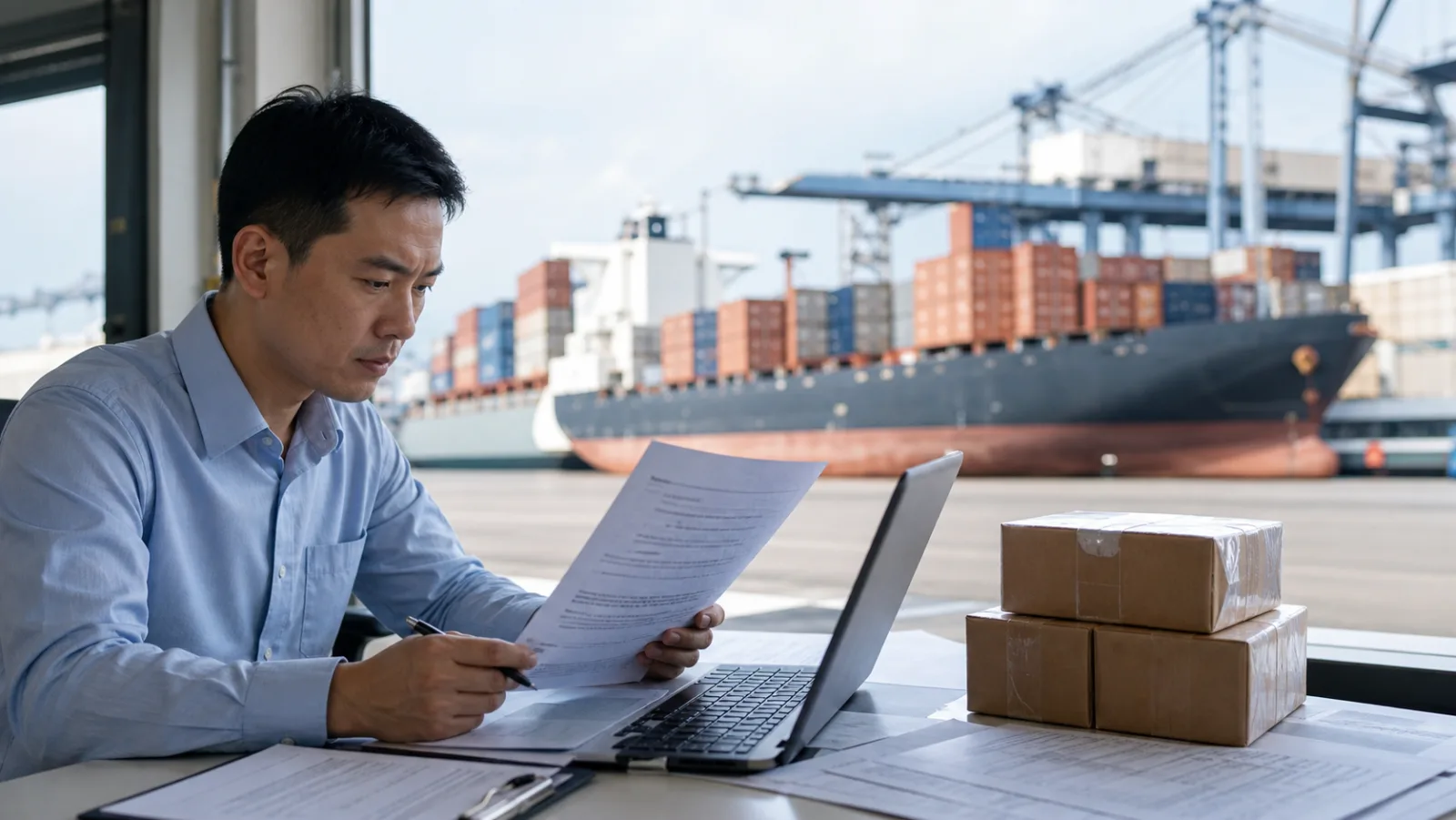
Shipping directly from a Chinese factory to Amazon FBA removes a warehouse step and can reduce handling time. It also sends the entire order into a fulfillment network where relabeling, sorting, rework, and returns become slower and more expensive.
Quick answer: Direct-to-FBA can work for stable repeat orders from a proven factory. For a first order, new product, packaging change, or supplier change, inspect and prepare the goods in China or route them through a controlled third party before Amazon receives them.
Three common routes
| Route | Advantages | Main risks |
|---|---|---|
| Factory direct to FBA | Fewer handling steps and potentially faster replenishment | Buyer may not see goods; factory errors reach Amazon |
| Factory to China inspection/prep, then FBA | Problems corrected near the factory; efficient international route | Additional handling and service cost |
| Factory to destination warehouse, then FBA | Maximum local control and flexible allocation | More domestic freight, storage, and time |
The best route can change as the product matures. A pilot shipment and a stable repeat shipment do not need the same controls.
Risks before the shipment reaches Amazon
Product quality
Amazon receiving does not replace product inspection. A shipment can be received successfully while containing cosmetic, functional, packaging, or compliance defects that later produce returns and negative reviews.
Unit prep and labels
Each sellable unit must follow the current packaging and barcode requirements for its product and program. Amazon’s official FBA guidance covers packaging, prep, and labeling requirements. Requirements can vary for sets, liquids, fragile items, apparel, batteries, sharp products, and other categories.
Carton and shipment-plan accuracy
Carton count, dimensions, weight, contents, labels, and destination assignments must match the active shipment plan. Old labels or a last-minute carton change can create receiving delays.
Customs and importer responsibility
An Amazon fulfillment center is not automatically the importer of record for your goods. Confirm the importer, broker, customs value, classification, product compliance, and delivery arrangement before departure. Do not assume that a factory’s DDP quote resolves your legal responsibilities.
Conditions for direct-to-FBA
Use direct shipping only when you can answer yes to these controls:
- The supplier and production site are verified.
- The final production lot has passed inspection.
- The product and packaging match the current approved specification.
- Barcodes and required labels have been scanned and checked.
- Units per carton, carton dimensions, and weights are confirmed.
- Carton and pallet labels match the current shipment plan.
- The importer of record and customs broker are confirmed.
- The freight provider has the appointment and final-delivery process under control.
- You have a response plan for inspection failure or Amazon receiving discrepancies.
A safer first-order workflow
- Approve a production-ready golden sample.
- Create product, packaging, label, and carton specifications.
- Complete production before final inspection.
- Sample units and cartons across the finished lot.
- Correct and reinspect failures before paying the balance.
- Apply shipment-specific FBA labels only after the plan is final.
- Review commercial invoice, packing list, classification, and importer arrangement.
- Photograph sealed cartons and record counts before pickup.
- Track receiving and reconcile discrepancies by carton.
For a new supplier, consider splitting the order. Send a controlled quantity first while holding the remainder until receiving and early customer feedback confirm that the process works.
What to include in a China prep check
- Unit condition and quantity
- Correct variation and accessory set
- Retail packaging and suffocation warnings where required
- FNSKU or other barcode placement and scan test
- Removal or covering of conflicting scannable barcodes
- Set labels and bundle integrity
- Carton quantity and assortment
- Carton labels and shipping marks
- Dimensions and gross weight
- Product-specific handling requirements
The checklist should be generated from the current Seller Central shipment and product requirements, not reused indefinitely from an old order.
When a destination warehouse is still better
Use local receiving when you need to divide inventory among channels, add market-specific inserts, perform extensive testing, hold reserve stock, respond quickly to Amazon changes, or inspect a supplier with inconsistent performance.
Direct-to-FBA should be the result of a controlled supply chain, not a shortcut around inspection.
SourceProChina can inspect production, verify FBA prep, consolidate suppliers, review carton data, and coordinate freight pickup. Send us your shipment plan and production status before the factory releases the order.